Buy dashphoto.eu ?
We are moving the project
dashphoto.eu .
Are you interested in purchasing the domain
dashphoto.eu ?
domain@kv-gmbh.de · 0541-91531010
Buy dashphoto.eu ?
How do the empirical ideas of David Hume and John Locke differ?
The empirical ideas of David Hume and John Locke differ in their approach to the nature of human knowledge and the role of experience in shaping it. Locke believed that all knowledge comes from sensory experience, and that the mind is a blank slate at birth, while Hume argued that our knowledge is limited to what we can perceive through our senses, and that our understanding is shaped by our experiences and the associations we make between them. Additionally, Hume's skepticism led him to question the possibility of certain knowledge, while Locke was more optimistic about the potential for human understanding through empirical means. **
Does anyone have experience with Murray lawn mowers?
I don't have personal experience with Murray lawn mowers, but I have heard mixed reviews from people who have used them. Some users have reported that Murray mowers are reliable and easy to use, while others have experienced issues with durability and performance. It's always a good idea to research and read reviews from multiple sources before making a decision on purchasing a lawn mower. **
Similar search terms for John-Murray-David-Attenborough
Top-Angebote
Products related to John-Murray-David-Attenborough:
-
John Murray Word Perfect: Etymological Entertainment Every DayWelcome to a year of wonder with Susie Dent, lexicographer, logophile, and longtime queen of Countdown's Dictionary Corner. From the real Jack the Lad to the theatrically literal story behind stealing someone's thunder, from tartle (forgetting someone's name at the very moment you need it) to snaccident (the unintentional eating of an entire packet of biscuits), WORD PERFECT is a brilliant linguistic almanac full of unforgettable stories, fascinating facts, and surprising etymologies tied to every day of the year. You'll never be lost for words again.6,99 £*Shipping: 2,99 £Secure redirect to the provider
-
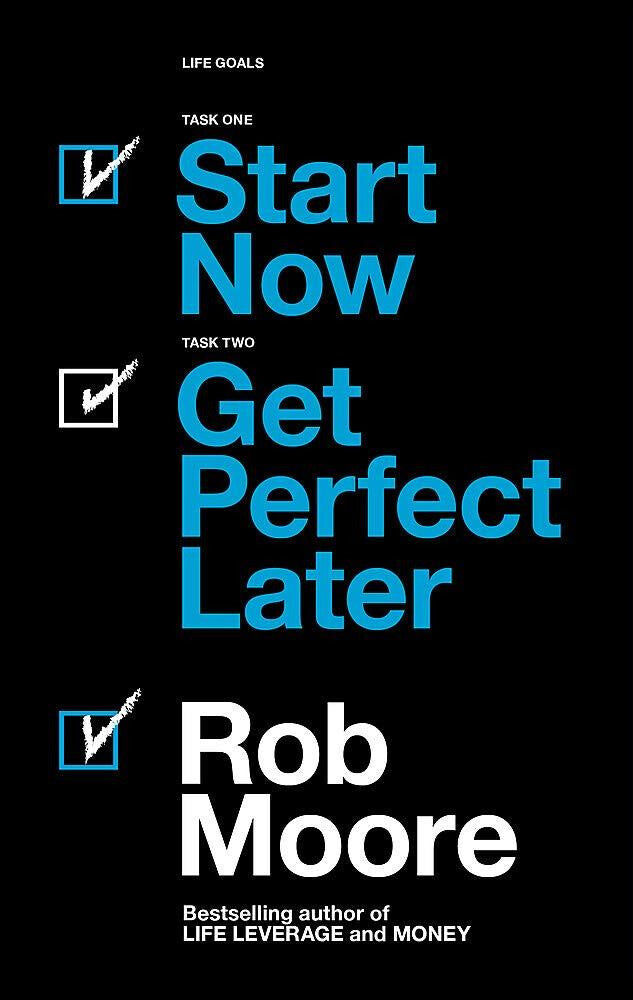
John Murray Start Now. Get Perfect Later by Rob MooreHardly anyone gets it right the first time, but many of us are crippled by indecision and fear of failure. The desire to get it right can inhibit us from getting started. In this book Rob Moore, the bestselling author of MONEY, shows that the quickest way to perfect is starting right now and improving as you go. This book will show you how to launch your business or idea, begin the next phase of your career, and overcome self-doubt - right away. Get perfect later, get started NOW.4,89 £*Shipping: 1,99 £Secure redirect to the provider
-
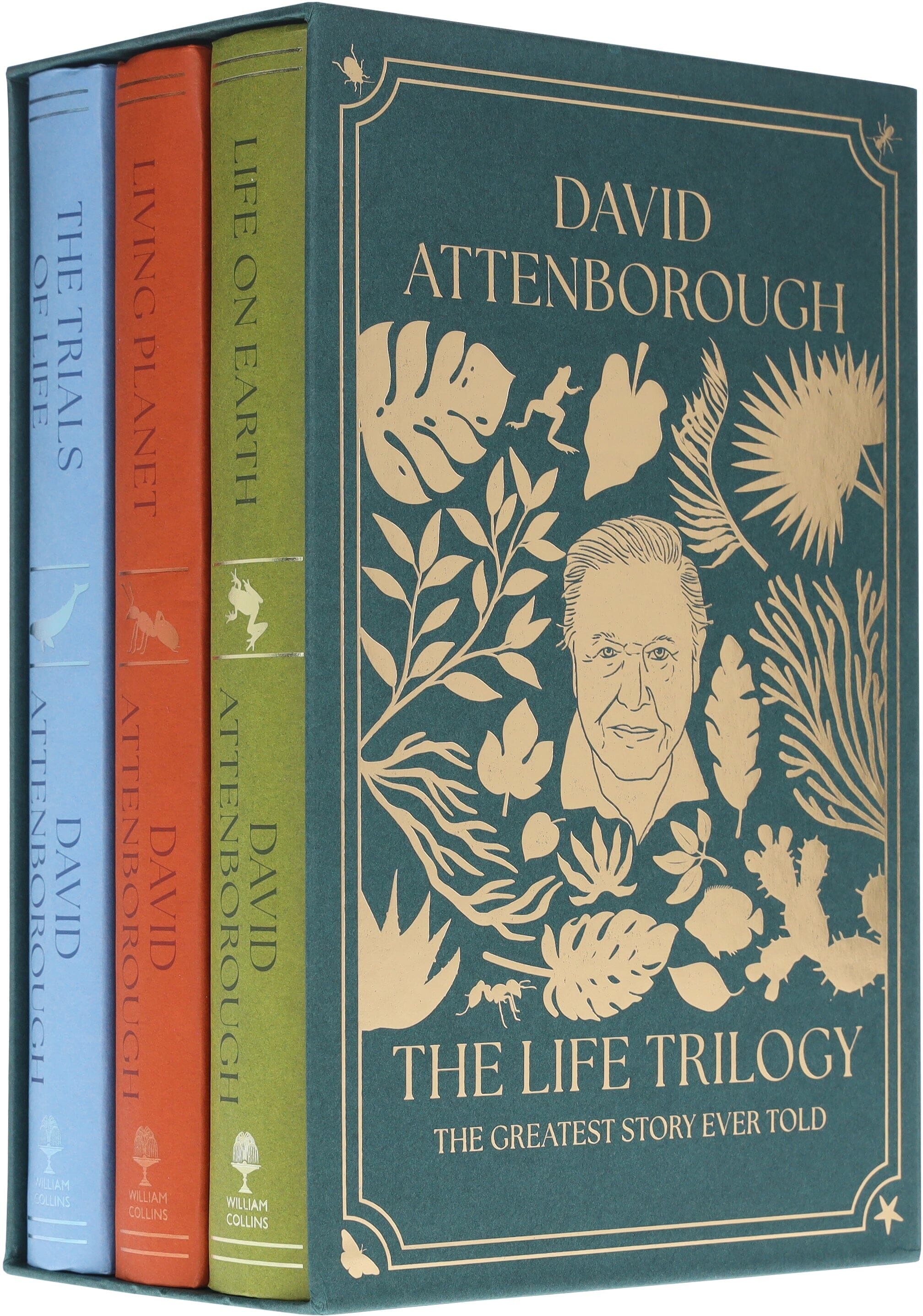
The Life Trilogy Boxset: The Greatest Story Ever Told by David Attenborough (Centenary Edition) - Non Fiction - Hardback HarperCollins PublishersWhat is The Life Trilogy Boxset by David Attenborough about? David Attenborough’s Life Trilogy is a complete introduction to the animals and plants found on Earth. The three books – published to accompany the classic BBC TV series – are essential reading for anyone interested in the Natural World. Titles in this Set: 1. Life on Earth 2. Living Planet 3. The Trials of Life The Life Trilogy Boxset contains special editions of David Attenborough's three most important books. Life on Earth David Attenborough’s unforgettable meeting with gorillas became an iconic moment for millions of television viewers. Life on Earth, the series and accompanying book, fundamentally changed the way we view and interact with the natural world, setting a new benchmark of quality and influencing a generation of nature lovers. Told through an examination of animal and plant life, this is an astonishing celebration of the evolution of life on earth, with a cast of characters drawn from the whole range of organisms that have ever lived on this planet. Attenborough’s perceptive, dynamic approach to the evolution of millions of species of living organisms takes the reader on an unforgettable journey of discovery from the very first spark of life to the blue and green wonder we know today. Living Planet Nowhere on our planet is devoid of life. Plants and animals thrive or survive within every extreme of climate and habitat that it offers. Single species, and often whole communities, adapt to make the most of ice cap and tundra, forest and plain, desert, ocean and volcano. These adaptations can be truly extraordinary: fish that walk or lay eggs on leaves in mid-air; snakes that fly; flightless birds that graze like deer; and bears that grow hair on the soles of their feet. In Living Planet, David Attenborough’s searching eye, unfailing curiosity and infectious enthusiasm explain and illuminate the intricate lives of the these colonies, from the lonely heights of the Himalayas to the wild creatures that have established themselves in the most recent of environments, the city. By the end of this book it is difficult to say which is the more astonishing – the ingenuity with which individual species contrive a living, or the complexity of their interdependence on each other and on the habitations provided by our planet. The Trials of Life ‘This is, quite simply, the best thing I’ve ever done’ Sir David Attenborough on the TV series The Trials of Life, upon which this book is based. This is the third and last of Sir David’s great natural history books based on his TV series and competes his survey of the animal world that began with Life on Earth and continues with Living Planet.49,99 £*Shipping: 0,00 £Secure redirect to the provider
-
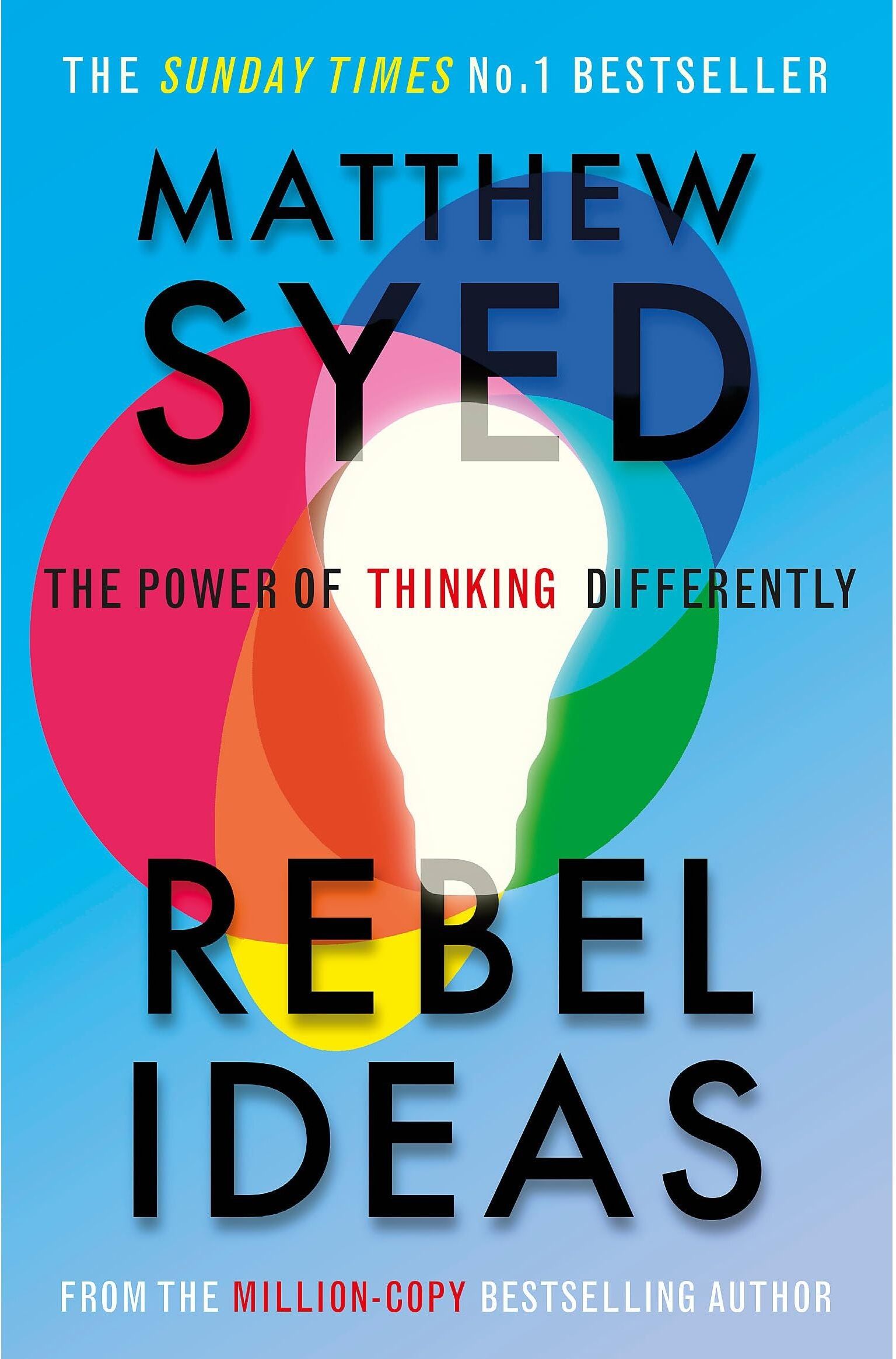
John Murray Rebel Ideas by Matthew Syed – The Power of Thinking DifferentlyRebel Ideas examines the power of 'cognitive diversity' - the ability to think differently about the world around us. It explains how to harness our unique perspectives, pool our collective intelligence and tackle the greatest challenges of our age - from climate change to terrorism. It draws on a dazzling range of case studies, including the catastrophic failings of the CIA before 9/11, a fatal communication breakdown on top of Mount Everest and a moving tale of deradicalisation in America's Deep South. Rebel Ideas will strengthen any team or organisation, but has dozens of individual applications, too: from the art of reinvention to the remarkable benefits of personalised nutrition. It shows us how to become more creative, how to collaborate in a world becoming more interconnected, and how to break free of echo chambers that surround us all.4,99 £*Shipping: 1,99 £Secure redirect to the provider

-
What did Caspar David Friedrich do in his studio?
Caspar David Friedrich was a German Romantic painter known for his contemplative and atmospheric landscapes. In his studio, Friedrich would create highly detailed and evocative paintings that often featured dramatic natural scenes, such as mountains, forests, and seascapes. He would meticulously plan and sketch his compositions before transferring them onto canvas, using a subdued color palette and delicate brushwork to convey a sense of awe and spirituality in his work. Friedrich's studio was a place of deep reflection and creativity, where he sought to capture the sublime beauty and mystery of the natural world. **
-
How do I interpret the self-portrait of Caspar David Friedrich?
Caspar David Friedrich's self-portrait, painted in 1810, is a somber and introspective depiction of the artist. The use of dark colors and the serious expression on his face suggest a sense of melancholy and contemplation. The positioning of his hand on his chest could symbolize his deep emotions or inner struggles. Overall, the self-portrait conveys a sense of solitude and introspection, reflecting Friedrich's introspective and spiritual approach to his art. **
-
Did Caspar David Friedrich paint this picture from a fictional landscape?
No, Caspar David Friedrich did not paint this picture from a fictional landscape. He was known for painting real landscapes, often depicting scenes from nature with a sense of spirituality and emotion. The painting "Wanderer above the Sea of Fog" is believed to be inspired by Friedrich's travels in the Harz Mountains in Germany, where he would have encountered similar landscapes to the one depicted in the painting. **
-
Which camera is suitable for landscape and street photography?
For landscape photography, a camera with a high resolution sensor and wide dynamic range is ideal to capture the details and colors of the scenery. A full-frame DSLR or mirrorless camera with a wide-angle lens would be a good choice for capturing the vastness of landscapes. For street photography, a compact and discreet camera with fast autofocus and good low-light performance is preferred. A mirrorless camera with a prime lens or a high-quality compact camera would be suitable for capturing candid moments and street scenes without drawing too much attention. **
'In which movie do you find Bill Murray the best?'
I think Bill Murray is at his best in the movie "Lost in Translation." His performance as an aging actor adrift in Tokyo is both subtle and powerful, showcasing his range as an actor. The film allows Murray to display his comedic talents while also delving into more dramatic and introspective moments. His chemistry with co-star Scarlett Johansson is palpable, and his portrayal of a man searching for meaning and connection is truly captivating. **
Did Caspar David Friedrich paint this picture from a landscape of lies?
No, Caspar David Friedrich did not paint this picture from a landscape of lies. Friedrich was known for his romantic landscapes that often depicted nature in a spiritual or symbolic way. His works were inspired by his deep connection to nature and his own emotions, rather than any deceitful intentions. The painting likely reflects Friedrich's personal interpretation of the natural world, rather than being based on falsehoods. **
Top-Angebote
Products related to John-Murray-David-Attenborough:
-
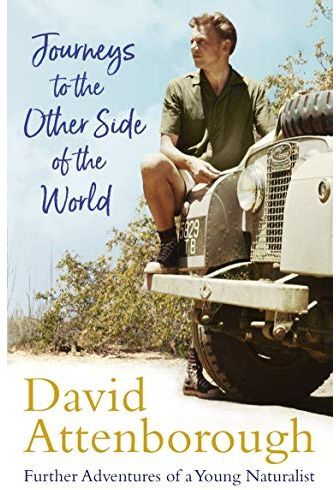
John Murray David Attenborough Journeys to the Other Side of the World: further adventures of a young naturalist'With charm, erudition, humour and passion, the world's favourite natural history broadcaster documents some of his expeditions from the late 1950s onwards' Sunday Express Following the success of the original Zoo Quest expeditions, the young David Attenborough embarked on further travels in a very different part of the world. From Madagascar and New Guinea to the Pacific Islands and the Northern Territory of Australia, he and his cameraman companion were aiming to record not just the wildlife, but the way of life of some of the indigenous people of these regions, whose traditions had never been encountered by most of the British public before. From the land divers of Pentecost Island and the sing-sings of New Guinea, to a Royal Kava ceremony on Tonga and the ancient art of the Northern Territory, it is a journey like no other. Alongside these remarkable cultures he encounters paradise birds, chameleons, sifakas and many more animals in some of the most unique environments on the planet. Written with David Attenborough's characteristic charm, humour and warmth, Journeys to the Other Side of the World is an inimitable adventure among people, places and the wildest of wildlife. 'Abundantly good' TLS 'A wondrous reminder of Attenborough's pioneering role . . . full of delightful tales' Daily Express 'An adventure that sparked a lifetime's commitment to the planet' The Lady 'Attenborough is a fine writer and storyteller' Irish Times2,60 £*Shipping: 1,99 £Secure redirect to the provider
-
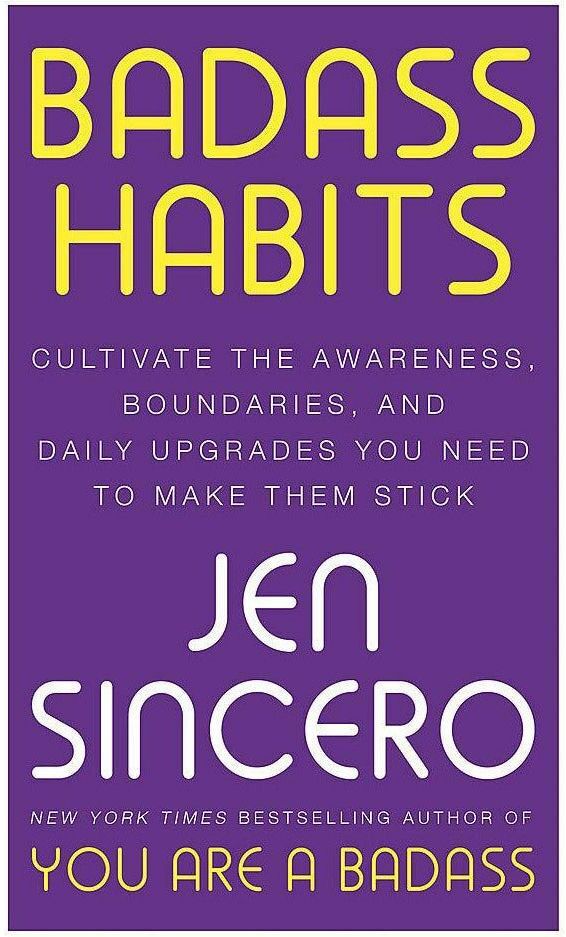
John Murray Badass Habits by Jen SinceroBadass Habits is a eureka-sparking, easy-to-digest look at how our habits make us who we are, from the measly moments that happen in private to the resolutions we loudly broadcast (and, erm, often do not keep) on social media.Habit busting and building goes way beyond becoming a dedicated flosser or never showing up late again--our habits reveal our unmet desires, the gaps in our boundaries, our level of self-awareness, and our unconscious beliefs and fears. Badass Habits features Jen trademark hilarious voice and offers a much-needed fresh take on the conventional wisdom and science that shape the optimism (or pessimism) around the age-old topic of habits.The book includes enlightening interviews with people who have successfully strengthened their discipline backbones, new perspective on how to train our brains to become our best selves, and offers a simple, 21 day, step-by-step guide for ditching habits that do not serve us and developing the habits we deem most important.Habits should not be impossible to reset--and with healthy boundaries, knowledge of--and permission to go after--our desires, and an easy to implement plan of action, we can make any new goal a joyful habit.1,99 £*Shipping: 1,99 £Secure redirect to the provider
-
John Murray Word Perfect: Etymological Entertainment Every DayWelcome to a year of wonder with Susie Dent, lexicographer, logophile, and longtime queen of Countdown's Dictionary Corner. From the real Jack the Lad to the theatrically literal story behind stealing someone's thunder, from tartle (forgetting someone's name at the very moment you need it) to snaccident (the unintentional eating of an entire packet of biscuits), WORD PERFECT is a brilliant linguistic almanac full of unforgettable stories, fascinating facts, and surprising etymologies tied to every day of the year. You'll never be lost for words again.6,99 £*Shipping: 2,99 £Secure redirect to the provider
-
John Murray Start Now. Get Perfect Later by Rob MooreHardly anyone gets it right the first time, but many of us are crippled by indecision and fear of failure. The desire to get it right can inhibit us from getting started. In this book Rob Moore, the bestselling author of MONEY, shows that the quickest way to perfect is starting right now and improving as you go. This book will show you how to launch your business or idea, begin the next phase of your career, and overcome self-doubt - right away. Get perfect later, get started NOW.4,89 £*Shipping: 1,99 £Secure redirect to the provider
-
How do the empirical ideas of David Hume and John Locke differ?
The empirical ideas of David Hume and John Locke differ in their approach to the nature of human knowledge and the role of experience in shaping it. Locke believed that all knowledge comes from sensory experience, and that the mind is a blank slate at birth, while Hume argued that our knowledge is limited to what we can perceive through our senses, and that our understanding is shaped by our experiences and the associations we make between them. Additionally, Hume's skepticism led him to question the possibility of certain knowledge, while Locke was more optimistic about the potential for human understanding through empirical means. **
-
Does anyone have experience with Murray lawn mowers?
I don't have personal experience with Murray lawn mowers, but I have heard mixed reviews from people who have used them. Some users have reported that Murray mowers are reliable and easy to use, while others have experienced issues with durability and performance. It's always a good idea to research and read reviews from multiple sources before making a decision on purchasing a lawn mower. **
-
What did Caspar David Friedrich do in his studio?
Caspar David Friedrich was a German Romantic painter known for his contemplative and atmospheric landscapes. In his studio, Friedrich would create highly detailed and evocative paintings that often featured dramatic natural scenes, such as mountains, forests, and seascapes. He would meticulously plan and sketch his compositions before transferring them onto canvas, using a subdued color palette and delicate brushwork to convey a sense of awe and spirituality in his work. Friedrich's studio was a place of deep reflection and creativity, where he sought to capture the sublime beauty and mystery of the natural world. **
-
How do I interpret the self-portrait of Caspar David Friedrich?
Caspar David Friedrich's self-portrait, painted in 1810, is a somber and introspective depiction of the artist. The use of dark colors and the serious expression on his face suggest a sense of melancholy and contemplation. The positioning of his hand on his chest could symbolize his deep emotions or inner struggles. Overall, the self-portrait conveys a sense of solitude and introspection, reflecting Friedrich's introspective and spiritual approach to his art. **
Similar search terms for John-Murray-David-Attenborough
-
The Life Trilogy Boxset: The Greatest Story Ever Told by David Attenborough (Centenary Edition) - Non Fiction - Hardback HarperCollins PublishersWhat is The Life Trilogy Boxset by David Attenborough about? David Attenborough’s Life Trilogy is a complete introduction to the animals and plants found on Earth. The three books – published to accompany the classic BBC TV series – are essential reading for anyone interested in the Natural World. Titles in this Set: 1. Life on Earth 2. Living Planet 3. The Trials of Life The Life Trilogy Boxset contains special editions of David Attenborough's three most important books. Life on Earth David Attenborough’s unforgettable meeting with gorillas became an iconic moment for millions of television viewers. Life on Earth, the series and accompanying book, fundamentally changed the way we view and interact with the natural world, setting a new benchmark of quality and influencing a generation of nature lovers. Told through an examination of animal and plant life, this is an astonishing celebration of the evolution of life on earth, with a cast of characters drawn from the whole range of organisms that have ever lived on this planet. Attenborough’s perceptive, dynamic approach to the evolution of millions of species of living organisms takes the reader on an unforgettable journey of discovery from the very first spark of life to the blue and green wonder we know today. Living Planet Nowhere on our planet is devoid of life. Plants and animals thrive or survive within every extreme of climate and habitat that it offers. Single species, and often whole communities, adapt to make the most of ice cap and tundra, forest and plain, desert, ocean and volcano. These adaptations can be truly extraordinary: fish that walk or lay eggs on leaves in mid-air; snakes that fly; flightless birds that graze like deer; and bears that grow hair on the soles of their feet. In Living Planet, David Attenborough’s searching eye, unfailing curiosity and infectious enthusiasm explain and illuminate the intricate lives of the these colonies, from the lonely heights of the Himalayas to the wild creatures that have established themselves in the most recent of environments, the city. By the end of this book it is difficult to say which is the more astonishing – the ingenuity with which individual species contrive a living, or the complexity of their interdependence on each other and on the habitations provided by our planet. The Trials of Life ‘This is, quite simply, the best thing I’ve ever done’ Sir David Attenborough on the TV series The Trials of Life, upon which this book is based. This is the third and last of Sir David’s great natural history books based on his TV series and competes his survey of the animal world that began with Life on Earth and continues with Living Planet.49,99 £*Shipping: 0,00 £Secure redirect to the provider
-
John Murray Rebel Ideas by Matthew Syed – The Power of Thinking DifferentlyRebel Ideas examines the power of 'cognitive diversity' - the ability to think differently about the world around us. It explains how to harness our unique perspectives, pool our collective intelligence and tackle the greatest challenges of our age - from climate change to terrorism. It draws on a dazzling range of case studies, including the catastrophic failings of the CIA before 9/11, a fatal communication breakdown on top of Mount Everest and a moving tale of deradicalisation in America's Deep South. Rebel Ideas will strengthen any team or organisation, but has dozens of individual applications, too: from the art of reinvention to the remarkable benefits of personalised nutrition. It shows us how to become more creative, how to collaborate in a world becoming more interconnected, and how to break free of echo chambers that surround us all.4,99 £*Shipping: 1,99 £Secure redirect to the provider
-
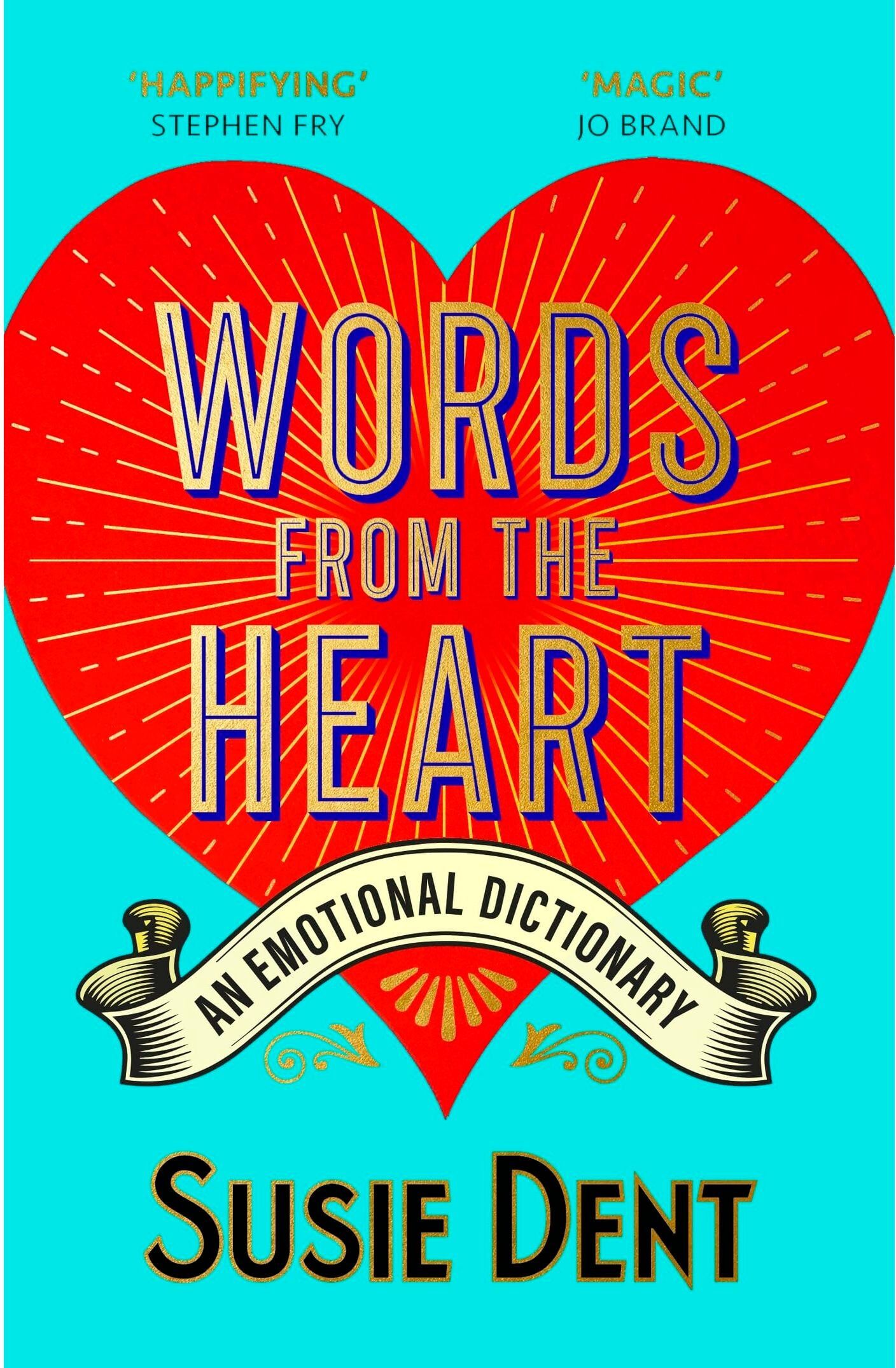
John Murray Words from the Heart: An Emotional Dictionary by Susie DentWhether it's the distress of a bad haircut (AGE-OTORI) or longing for the food someone else is eating (GROAKING), the pleasure found in other people's happiness (CONFELICITY) or the shock of jumping into icy water (CURGLAFF), there are real words to pinpoint exactly how you feel and Susie Dent, Queen of Countdown's Dictionary Corner and lexicographer extraordinaire, is going to help you find them. Here are 1001 terms everyone needs, whether it's the best kind of hug (CWTCH), the relief found in swearing (LALOCHEZIA), or the ability to endure till the end (PERTOLERANCE). It's time to rediscover the lost positives of language (and be more GORM); find out how a stork gave us the word for the love between parent and child, and who the first MAVERICK was. Packed with unexpected stories and unforgettable words, on a mission to describe the indescribable, this life-enhancing book will deepen your vocabulary as much as it extends it. Welcome to the first truly human dictionary, as idiosyncratic and unusual as you are.6,99 £*Shipping: 2,99 £Secure redirect to the provider
-
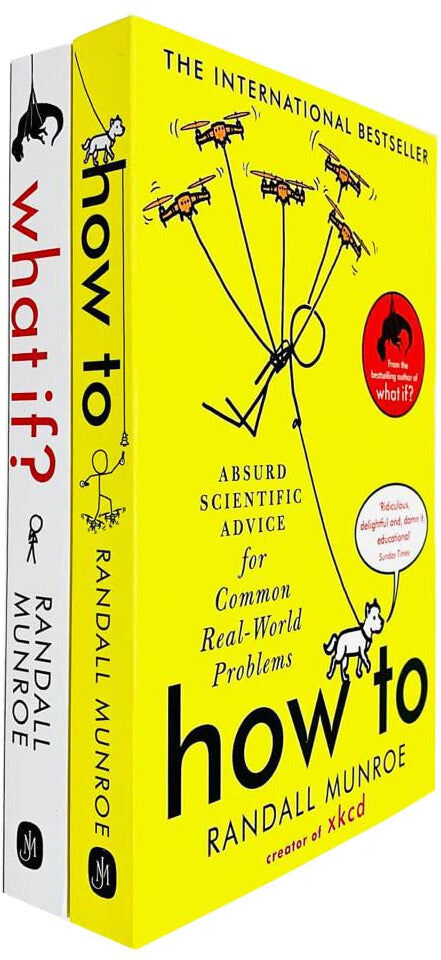
John Murray Randall Munroe Collection 2 Books Set (How To & What If?)Randall Munroe Collection 2 Books Set (How To & What If?): How To: The world's most entertaining and useless self-help guide, from the brilliant mind behind the wildly popular webcomic xkcd and the million-selling What If? and Thing Explainer. For any task you might want to do, there's a right way, a wrong way, and a way so monumentally bad that no one would ever try it. How To is a guide to the third kind of approach. It's full of highly impractical advice for everything from landing a plane to digging a hole. What If?: From the creator of the wildly popular xkcd.com, hilarious and informative answers to important questions you probably never thought to ask. Millions visit xkcd.com each week to read Randall Munroe's iconic webcomic. Fans ask him a lot of strange questions: How fast can you hit a speed bump, driving, and live? When (if ever) did the sun go down on the British Empire? When will Facebook contain more profiles of dead people than living? How many humans would a T Rex rampaging through New York need to eat a day?11,45 £*Shipping: 2,99 £Secure redirect to the provider
-
Did Caspar David Friedrich paint this picture from a fictional landscape?
No, Caspar David Friedrich did not paint this picture from a fictional landscape. He was known for painting real landscapes, often depicting scenes from nature with a sense of spirituality and emotion. The painting "Wanderer above the Sea of Fog" is believed to be inspired by Friedrich's travels in the Harz Mountains in Germany, where he would have encountered similar landscapes to the one depicted in the painting. **
-
Which camera is suitable for landscape and street photography?
For landscape photography, a camera with a high resolution sensor and wide dynamic range is ideal to capture the details and colors of the scenery. A full-frame DSLR or mirrorless camera with a wide-angle lens would be a good choice for capturing the vastness of landscapes. For street photography, a compact and discreet camera with fast autofocus and good low-light performance is preferred. A mirrorless camera with a prime lens or a high-quality compact camera would be suitable for capturing candid moments and street scenes without drawing too much attention. **
-
'In which movie do you find Bill Murray the best?'
I think Bill Murray is at his best in the movie "Lost in Translation." His performance as an aging actor adrift in Tokyo is both subtle and powerful, showcasing his range as an actor. The film allows Murray to display his comedic talents while also delving into more dramatic and introspective moments. His chemistry with co-star Scarlett Johansson is palpable, and his portrayal of a man searching for meaning and connection is truly captivating. **
-
Did Caspar David Friedrich paint this picture from a landscape of lies?
No, Caspar David Friedrich did not paint this picture from a landscape of lies. Friedrich was known for his romantic landscapes that often depicted nature in a spiritual or symbolic way. His works were inspired by his deep connection to nature and his own emotions, rather than any deceitful intentions. The painting likely reflects Friedrich's personal interpretation of the natural world, rather than being based on falsehoods. **
* All prices are inclusive of VAT and, if applicable, plus shipping costs. The offer information is based on the details provided by the respective shop and is updated through automated processes. Real-time updates do not occur, so deviations can occur in individual cases. ** Note: Parts of this content were created by AI.