Buy dashphoto.eu ?
We are moving the project
dashphoto.eu .
Are you interested in purchasing the domain
dashphoto.eu ?
domain@kv-gmbh.de · 0541-91531010
Buy dashphoto.eu ?
Which audio interface is suitable for studio monitors?
A suitable audio interface for studio monitors would be one that has balanced line outputs, such as XLR or TRS connections, to ensure a clean and noise-free signal transmission to the monitors. It should also have a high-quality digital-to-analog converter (DAC) to accurately reproduce the audio signal. Additionally, having multiple outputs for connecting multiple sets of monitors or a subwoofer can be beneficial for monitoring flexibility. Some popular audio interfaces for studio monitors include the Focusrite Scarlett series, Universal Audio Apollo series, and PreSonus Studio series. **
Do I need studio monitors for an audio interface?
Yes, you will need studio monitors for an audio interface if you want to accurately hear the sound being produced by your audio interface. Studio monitors are designed to provide a flat frequency response and accurate sound reproduction, making them essential for critical listening and mixing tasks. While headphones can also be used for monitoring, studio monitors are often preferred for their ability to provide a more natural and open sound. **
Similar search terms for Interface
Top-Angebote
Products related to Interface:
-
Uplifted Finds Montessori Wooden Memory Match Stick Chess And Cognitive Interface Montessori Wooden Memory Match Stick Chess And Cognitive InterfaceInaugurate a direct energy for your environment with this integrated neurological solution. This wooden memory match stick chess board serves as a functional choice for early childhood cognitive journeys, offering a highengagement alternative to...65,97 $*Shipping: 0,00 $Secure redirect to the provider
-
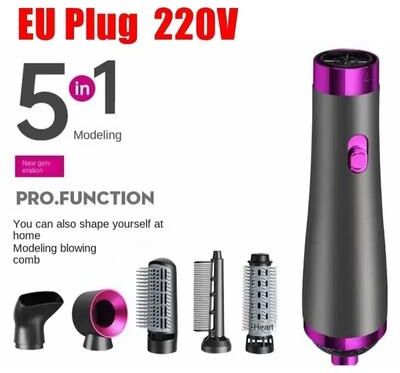
Uplifted Finds High Versatility 5 in 1 Thermal And Follicular Engineering Interface High Versatility 5 in 1 Thermal And Follicular Engineering InterfaceInaugurate a direct energy for your environment with this integrated grooming solution. This 5in1 Hot Air Comb serves as a functional choice for your aesthetic transformation journeys, offering a highutility alternative to standard lowvelocity...172,97 $*Shipping: 0,00 $Secure redirect to the provider
-
Uplifted Finds High Density Double Head Cotton Swab And Precision Sensory Interface High Density Double Head Cotton Swab And Precision Sensory InterfaceInaugurate a direct energy for your environment with this integrated hygienic solution. This 500piece doublehead wooden cotton swab set serves as a functional choice for your personal maintenance journeys, offering a highprecision alternative to...30,97 $*Shipping: 0,00 $Secure redirect to the provider
-
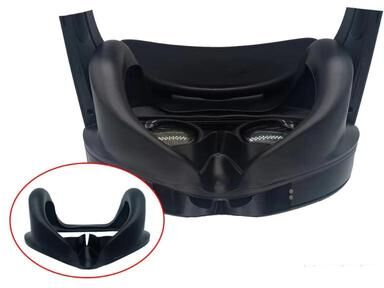
Everyday Crate Quest Pro Magnetic Light Blocker Silicone Facial Interface Eye Mask Quest Pro Magnetic Light Blocker Silicone Facial Interface Eye MaskStep deeper into every virtual world without distractions. This Quest Pro light blocker is designed for Meta Quest Pro users who want a more immersive and comfortable VR experience. Made from soft, skinfriendly silicone, it helps eliminate light...54,97 $*Shipping: 0,00 $Secure redirect to the provider


-
Which camera is suitable for landscape and street photography?
For landscape photography, a camera with a high resolution sensor and wide dynamic range is ideal to capture the details and colors of the scenery. A full-frame DSLR or mirrorless camera with a wide-angle lens would be a good choice for capturing the vastness of landscapes. For street photography, a compact and discreet camera with fast autofocus and good low-light performance is preferred. A mirrorless camera with a prime lens or a high-quality compact camera would be suitable for capturing candid moments and street scenes without drawing too much attention. **
-
How do I turn off the interface of my camera?
To turn off the interface of your camera, you can typically do so by pressing the power button or switch on the camera. This will shut down the camera's display screen and any other interface elements. If your camera has a touch screen, you may also be able to turn off the interface by accessing the settings menu and selecting the option to disable the display. If you're still unsure, you can refer to the user manual for your specific camera model for detailed instructions on how to turn off the interface. **
-
'For streaming, which interface?'
For streaming, the best interface would be one that offers high-speed and reliable internet connectivity, as well as a user-friendly and intuitive design. This could include interfaces such as smart TVs, streaming devices like Roku or Apple TV, or gaming consoles like Xbox or PlayStation. These interfaces typically offer easy access to popular streaming platforms like Netflix, Hulu, and Amazon Prime Video, and provide a seamless and enjoyable streaming experience for users. **
-
Is an interface necessary?
An interface is not always necessary, but it can be very helpful in certain situations. Interfaces are useful when you want to define a contract for how different classes should interact with each other, ensuring consistency and flexibility in your code. They also allow for easier testing and implementation of different behaviors without changing the underlying classes. However, if you have a simple program with only one class or if you don't need to enforce a specific structure for your classes, then an interface may not be necessary. **


Which interface is necessary?
The necessary interface would depend on the specific context or application. For example, in a computer system, a user interface such as a graphical user interface (GUI) or a command-line interface (CLI) would be necessary for users to interact with the system. In a networking context, an interface such as an Ethernet port or a wireless network interface card (NIC) would be necessary for connecting devices to a network. Ultimately, the necessary interface would be determined by the specific requirements and functionality of the system or application in question. **
What is the difference between camera settings for landscape shots and portrait photos?
The main difference between camera settings for landscape shots and portrait photos is the aperture setting. For landscape shots, a smaller aperture (higher f-stop number) is typically used to achieve a larger depth of field and ensure that both the foreground and background are in focus. On the other hand, for portrait photos, a larger aperture (lower f-stop number) is often used to create a shallow depth of field, resulting in a blurred background that helps to emphasize the subject. Additionally, the focal length and composition may also vary between the two types of photography. **
Top-Angebote
Products related to Interface:
-
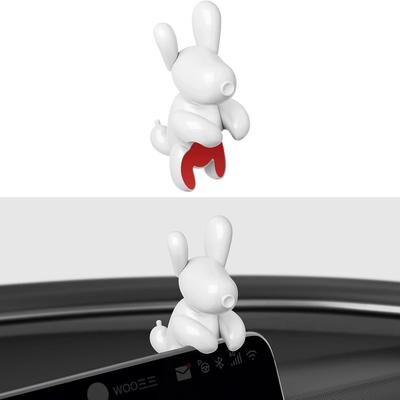
Uplift Essentials Tesla Dog Mode Professional Screen Interface Ornament Tesla Dog Mode Professional Screen Interface OrnamentEnhance your vehicles interior aesthetic with the Tesla Dog Mode Professional Screen Interface Ornament. Engineered as a highfidelity physical homage to a signature petsafety feature, this precisionmolded decoration seamlessly integrates with the...67,97 $*Shipping: 0,00 $Secure redirect to the provider
-
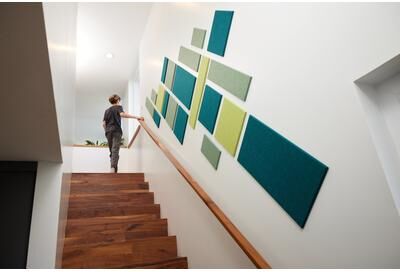
Felt Right Interface Sound Dampening Pinnable TilesEach Felt Right tile is made from high-density, engineered PET felt that has a warm, wool-like appearance but is also very durable and wear-resistant! Each of our ⅜” Felt Right tiles act as a sound barrier on your walls. The fibrous nature of the...222,00 $*Shipping: 0,00 $Secure redirect to the provider
-
Uplifted Finds Montessori Wooden Memory Match Stick Chess And Cognitive Interface Montessori Wooden Memory Match Stick Chess And Cognitive InterfaceInaugurate a direct energy for your environment with this integrated neurological solution. This wooden memory match stick chess board serves as a functional choice for early childhood cognitive journeys, offering a highengagement alternative to...65,97 $*Shipping: 0,00 $Secure redirect to the provider
-
Uplifted Finds High Versatility 5 in 1 Thermal And Follicular Engineering Interface High Versatility 5 in 1 Thermal And Follicular Engineering InterfaceInaugurate a direct energy for your environment with this integrated grooming solution. This 5in1 Hot Air Comb serves as a functional choice for your aesthetic transformation journeys, offering a highutility alternative to standard lowvelocity...172,97 $*Shipping: 0,00 $Secure redirect to the provider
-
Which audio interface is suitable for studio monitors?
A suitable audio interface for studio monitors would be one that has balanced line outputs, such as XLR or TRS connections, to ensure a clean and noise-free signal transmission to the monitors. It should also have a high-quality digital-to-analog converter (DAC) to accurately reproduce the audio signal. Additionally, having multiple outputs for connecting multiple sets of monitors or a subwoofer can be beneficial for monitoring flexibility. Some popular audio interfaces for studio monitors include the Focusrite Scarlett series, Universal Audio Apollo series, and PreSonus Studio series. **
-
Do I need studio monitors for an audio interface?
Yes, you will need studio monitors for an audio interface if you want to accurately hear the sound being produced by your audio interface. Studio monitors are designed to provide a flat frequency response and accurate sound reproduction, making them essential for critical listening and mixing tasks. While headphones can also be used for monitoring, studio monitors are often preferred for their ability to provide a more natural and open sound. **
-
Which camera is suitable for landscape and street photography?
For landscape photography, a camera with a high resolution sensor and wide dynamic range is ideal to capture the details and colors of the scenery. A full-frame DSLR or mirrorless camera with a wide-angle lens would be a good choice for capturing the vastness of landscapes. For street photography, a compact and discreet camera with fast autofocus and good low-light performance is preferred. A mirrorless camera with a prime lens or a high-quality compact camera would be suitable for capturing candid moments and street scenes without drawing too much attention. **
-
How do I turn off the interface of my camera?
To turn off the interface of your camera, you can typically do so by pressing the power button or switch on the camera. This will shut down the camera's display screen and any other interface elements. If your camera has a touch screen, you may also be able to turn off the interface by accessing the settings menu and selecting the option to disable the display. If you're still unsure, you can refer to the user manual for your specific camera model for detailed instructions on how to turn off the interface. **
Similar search terms for Interface
-
Uplifted Finds High Density Double Head Cotton Swab And Precision Sensory Interface High Density Double Head Cotton Swab And Precision Sensory InterfaceInaugurate a direct energy for your environment with this integrated hygienic solution. This 500piece doublehead wooden cotton swab set serves as a functional choice for your personal maintenance journeys, offering a highprecision alternative to...30,97 $*Shipping: 0,00 $Secure redirect to the provider
-
Everyday Crate Quest Pro Magnetic Light Blocker Silicone Facial Interface Eye Mask Quest Pro Magnetic Light Blocker Silicone Facial Interface Eye MaskStep deeper into every virtual world without distractions. This Quest Pro light blocker is designed for Meta Quest Pro users who want a more immersive and comfortable VR experience. Made from soft, skinfriendly silicone, it helps eliminate light...54,97 $*Shipping: 0,00 $Secure redirect to the provider
-
Focusrite Scarlett 4i4 4th Gen USB-C Audio InterfaceOverview Turn your desk into a flexible, professional-quality recording studio with the Focusrite Scarlett 4i4 4th Generation USB-C Audio Interface . Designed for musicians, producers, songwriters and content creators who need room to connect more than a single microphone, the 4i4 gives you four analogue inputs, four line outputs, MIDI connectivity and independent monitoring options in a compact desktop interface. Two ultra-low-noise Scarlett microphone preamps provide an impressive 69dB gain range , while Auto Gain and Clip Safe take much of the uncertainty out of setting recording levels. Add studio-grade 24-bit/192kHz conversion , two redesigned Air modes and a powerful headphone amplifier, and the Scarlett 4i4 gives you the tools to capture ideas with clarity before inspiration disappears. The 4th Gen Scarlett 4i4 is identified by GTIN/EAN 0815301001492 . Key Features & Benefits Capture Cleaner, More Detailed Recordings – Two 4th Generation Scarlett microphone preamps offer an expansive 69dB gain range , giving you enough clean amplification to work effectively with a broad range of microphones while retaining detail and keeping unwanted noise low. Spend Less Time Setting Levels and More Time Recording – Auto Gain listens to your performance and automatically establishes an appropriate input level, helping musicians and creators get ready to record quickly without repeatedly adjusting gain knobs. Protect Important Takes from Digital Clipping – Clip Safe automatically adjusts gain when your recording level approaches clipping, helping protect spontaneous performances from distortion that could otherwise make a take unusable. Give Vocals and Instruments More Character Before Mixing – Two redesigned Air modes let you shape the sound as you record. Presence mode adds high-frequency lift for greater clarity, while Harmonic Drive introduces additional mid-range harmonics for a richer, more forward character. Record More of Your Studio at the Same Time199,98 £*Shipping: 0,00 £Secure redirect to the provider
-
Uplifted Finds Kinetic Eject Self Cleaning Grooming Interface greyInaugurate a powerful NurtureSanctuary energy for your digital environment with the ultimate 2026 boutiqueintegrated grooming solution. The Pet SelfCleaning Comb is the premier choice for creating a TechnicalModern or StudioLuxe atmosphere for your...30,97 $*Shipping: 0,00 $Secure redirect to the provider
-
'For streaming, which interface?'
For streaming, the best interface would be one that offers high-speed and reliable internet connectivity, as well as a user-friendly and intuitive design. This could include interfaces such as smart TVs, streaming devices like Roku or Apple TV, or gaming consoles like Xbox or PlayStation. These interfaces typically offer easy access to popular streaming platforms like Netflix, Hulu, and Amazon Prime Video, and provide a seamless and enjoyable streaming experience for users. **
-
Is an interface necessary?
An interface is not always necessary, but it can be very helpful in certain situations. Interfaces are useful when you want to define a contract for how different classes should interact with each other, ensuring consistency and flexibility in your code. They also allow for easier testing and implementation of different behaviors without changing the underlying classes. However, if you have a simple program with only one class or if you don't need to enforce a specific structure for your classes, then an interface may not be necessary. **
-
Which interface is necessary?
The necessary interface would depend on the specific context or application. For example, in a computer system, a user interface such as a graphical user interface (GUI) or a command-line interface (CLI) would be necessary for users to interact with the system. In a networking context, an interface such as an Ethernet port or a wireless network interface card (NIC) would be necessary for connecting devices to a network. Ultimately, the necessary interface would be determined by the specific requirements and functionality of the system or application in question. **
-
What is the difference between camera settings for landscape shots and portrait photos?
The main difference between camera settings for landscape shots and portrait photos is the aperture setting. For landscape shots, a smaller aperture (higher f-stop number) is typically used to achieve a larger depth of field and ensure that both the foreground and background are in focus. On the other hand, for portrait photos, a larger aperture (lower f-stop number) is often used to create a shallow depth of field, resulting in a blurred background that helps to emphasize the subject. Additionally, the focal length and composition may also vary between the two types of photography. **
* All prices are inclusive of VAT and, if applicable, plus shipping costs. The offer information is based on the details provided by the respective shop and is updated through automated processes. Real-time updates do not occur, so deviations can occur in individual cases. ** Note: Parts of this content were created by AI.