Buy dashphoto.eu ?
We are moving the project
dashphoto.eu .
Are you interested in purchasing the domain
dashphoto.eu ?
domain@kv-gmbh.de · 0541-91531010
Buy dashphoto.eu ?
What does "bremse 3" mean?
"Bremse 3" is a German phrase that translates to "brake 3" in English. It is a command to apply the brakes at level 3, indicating a specific level of braking force. This phrase is commonly used in the context of driving or operating machinery to communicate the desired level of braking. **
Do you know the song "Der Zug hat keine Bremse"?
As an AI language model, I am familiar with a wide range of songs, including "Der Zug hat keine Bremse." It is a popular German song by the band "Kraftklub." The song's title translates to "The train has no brakes" in English, and it is known for its energetic and catchy tune. If you have any specific questions about the song or its lyrics, feel free to ask! **
Similar search terms for Bremse
Top-Angebote
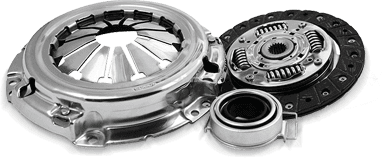
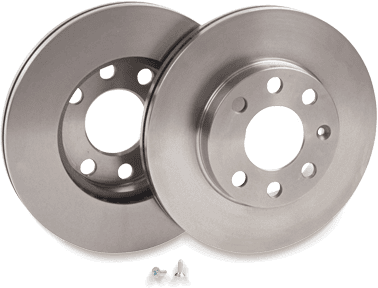
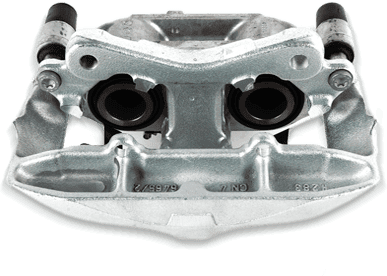
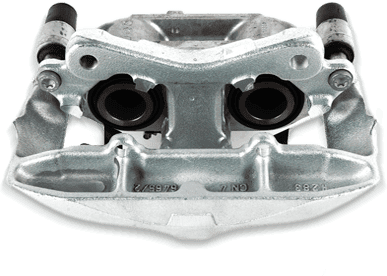
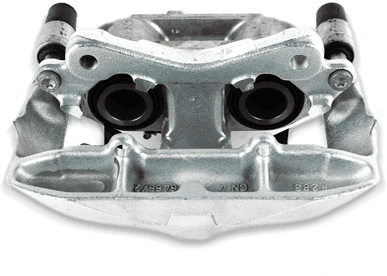
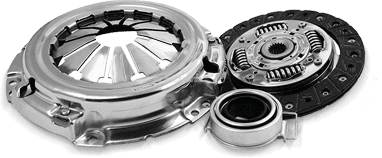
Products related to Bremse:
-
Which camera is suitable for landscape and street photography?
For landscape photography, a camera with a high resolution sensor and wide dynamic range is ideal to capture the details and colors of the scenery. A full-frame DSLR or mirrorless camera with a wide-angle lens would be a good choice for capturing the vastness of landscapes. For street photography, a compact and discreet camera with fast autofocus and good low-light performance is preferred. A mirrorless camera with a prime lens or a high-quality compact camera would be suitable for capturing candid moments and street scenes without drawing too much attention. **
-
What is the difference between camera settings for landscape shots and portrait photos?
The main difference between camera settings for landscape shots and portrait photos is the aperture setting. For landscape shots, a smaller aperture (higher f-stop number) is typically used to achieve a larger depth of field and ensure that both the foreground and background are in focus. On the other hand, for portrait photos, a larger aperture (lower f-stop number) is often used to create a shallow depth of field, resulting in a blurred background that helps to emphasize the subject. Additionally, the focal length and composition may also vary between the two types of photography. **
-
How can one recognize a portrait photography?
Portrait photography can be recognized by its focus on capturing the personality, expression, and mood of the subject. The main subject of the photograph is typically a person, and the composition is often close-up to emphasize their features and emotions. The background is usually simple and unobtrusive, allowing the viewer to focus on the subject. Additionally, portrait photography often involves careful lighting and posing to highlight the subject's best features and convey a specific mood or emotion. **
-
How can you mix portrait and landscape videos?
To mix portrait and landscape videos, you can use video editing software to adjust the orientation of the videos. You can rotate the portrait videos to landscape orientation or vice versa to create a cohesive look. Additionally, you can use techniques such as adding borders or background images to seamlessly blend the different orientations together. Experimenting with different layouts and transitions can help you create a visually appealing video that combines both portrait and landscape footage. **

What are the key settings for landscape photography?
The key settings for landscape photography include a small aperture (high f-stop number) to ensure a large depth of field and sharp focus throughout the scene. A low ISO setting is recommended to reduce noise in the image, especially in well-lit conditions. A slow shutter speed can be used to capture movement in elements like water or clouds, while a tripod is essential to prevent camera shake. Additionally, using the camera's manual mode allows for full control over exposure settings to achieve the desired look for the landscape. **
What are the key settings in landscape photography?
The key settings in landscape photography include aperture, shutter speed, and ISO. Aperture controls the depth of field, allowing you to capture sharp details in both the foreground and background. Shutter speed determines how motion is captured in the scene, whether you want to freeze action or create a sense of movement. ISO affects the camera's sensitivity to light, with lower ISO values producing cleaner images in well-lit conditions. By understanding and adjusting these settings, you can create stunning landscape photographs with the desired visual impact. **
Top-Angebote
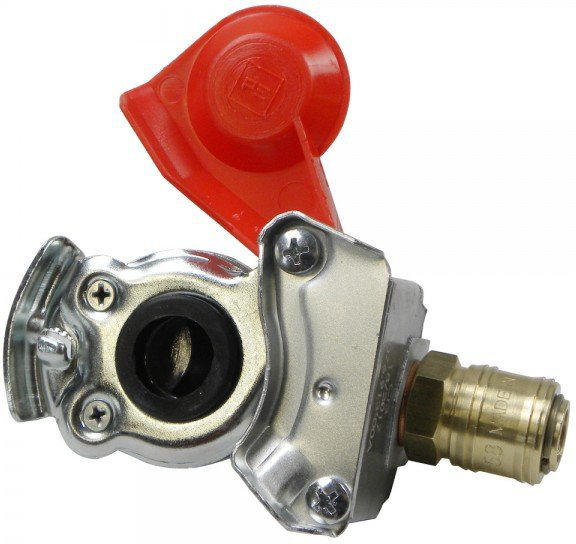
Products related to Bremse:
-
KNORR-BREMSE K184816N50 Brake discFitting Position: Rear; Fitting Position: Rear Axle; Test Mark: E1190R02C01203/29155; Brake Disc Type: Vented; Brake Disc Thickness: 30; Minimum thickness [mm]: 27,8; Outer Diameter [mm]: 322; Number of Holes: 8; Supplementary Article / Supplementary Info Info 2: with ABS sensor ring; Weight [kg]: 20,7113,99 £*Shipping: 8,45 £Secure redirect to the provider
-
What does "bremse 3" mean?
"Bremse 3" is a German phrase that translates to "brake 3" in English. It is a command to apply the brakes at level 3, indicating a specific level of braking force. This phrase is commonly used in the context of driving or operating machinery to communicate the desired level of braking. **
-
Do you know the song "Der Zug hat keine Bremse"?
As an AI language model, I am familiar with a wide range of songs, including "Der Zug hat keine Bremse." It is a popular German song by the band "Kraftklub." The song's title translates to "The train has no brakes" in English, and it is known for its energetic and catchy tune. If you have any specific questions about the song or its lyrics, feel free to ask! **
-
Which camera is suitable for landscape and street photography?
For landscape photography, a camera with a high resolution sensor and wide dynamic range is ideal to capture the details and colors of the scenery. A full-frame DSLR or mirrorless camera with a wide-angle lens would be a good choice for capturing the vastness of landscapes. For street photography, a compact and discreet camera with fast autofocus and good low-light performance is preferred. A mirrorless camera with a prime lens or a high-quality compact camera would be suitable for capturing candid moments and street scenes without drawing too much attention. **
-
What is the difference between camera settings for landscape shots and portrait photos?
The main difference between camera settings for landscape shots and portrait photos is the aperture setting. For landscape shots, a smaller aperture (higher f-stop number) is typically used to achieve a larger depth of field and ensure that both the foreground and background are in focus. On the other hand, for portrait photos, a larger aperture (lower f-stop number) is often used to create a shallow depth of field, resulting in a blurred background that helps to emphasize the subject. Additionally, the focal length and composition may also vary between the two types of photography. **
Similar search terms for Bremse
-
How can one recognize a portrait photography?
Portrait photography can be recognized by its focus on capturing the personality, expression, and mood of the subject. The main subject of the photograph is typically a person, and the composition is often close-up to emphasize their features and emotions. The background is usually simple and unobtrusive, allowing the viewer to focus on the subject. Additionally, portrait photography often involves careful lighting and posing to highlight the subject's best features and convey a specific mood or emotion. **
-
How can you mix portrait and landscape videos?
To mix portrait and landscape videos, you can use video editing software to adjust the orientation of the videos. You can rotate the portrait videos to landscape orientation or vice versa to create a cohesive look. Additionally, you can use techniques such as adding borders or background images to seamlessly blend the different orientations together. Experimenting with different layouts and transitions can help you create a visually appealing video that combines both portrait and landscape footage. **
-
What are the key settings for landscape photography?
The key settings for landscape photography include a small aperture (high f-stop number) to ensure a large depth of field and sharp focus throughout the scene. A low ISO setting is recommended to reduce noise in the image, especially in well-lit conditions. A slow shutter speed can be used to capture movement in elements like water or clouds, while a tripod is essential to prevent camera shake. Additionally, using the camera's manual mode allows for full control over exposure settings to achieve the desired look for the landscape. **
-
What are the key settings in landscape photography?
The key settings in landscape photography include aperture, shutter speed, and ISO. Aperture controls the depth of field, allowing you to capture sharp details in both the foreground and background. Shutter speed determines how motion is captured in the scene, whether you want to freeze action or create a sense of movement. ISO affects the camera's sensitivity to light, with lower ISO values producing cleaner images in well-lit conditions. By understanding and adjusting these settings, you can create stunning landscape photographs with the desired visual impact. **
* All prices are inclusive of VAT and, if applicable, plus shipping costs. The offer information is based on the details provided by the respective shop and is updated through automated processes. Real-time updates do not occur, so deviations can occur in individual cases. ** Note: Parts of this content were created by AI.